
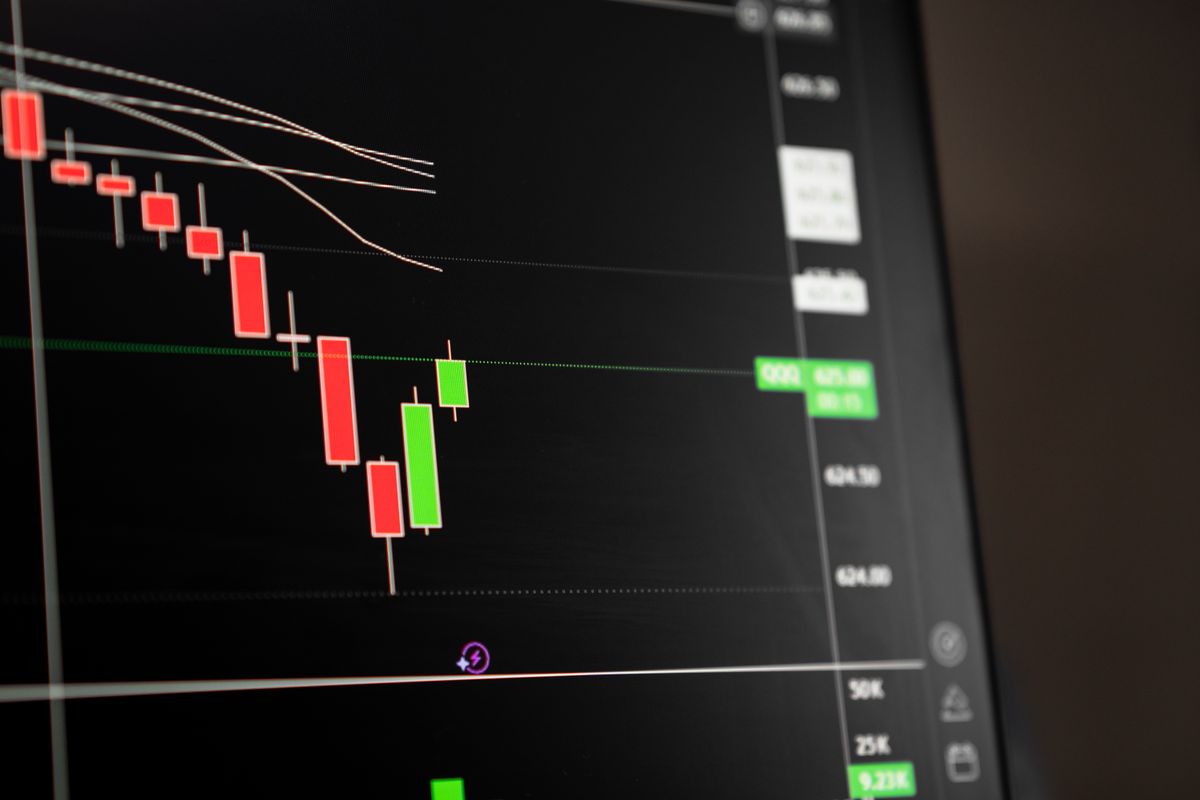
Overnight gap risk just came roaring back. When headlines break after the closing bell, the S&P 500 doesn’t wait for 9:30 a.m. to reprice — it moves in the futures market while most traders sleep. This week proved it. A single geopolitical headline reset the entire opening print, and swing traders who prepared for it were positioned while everyone else was reacting. If you trade SPY overnight, the current environment is a masterclass in why process beats prediction.
Why Overnight Gaps Are Widening Right Now
The catalyst is unmistakable. On July 8, 2026, the Iran ceasefire was declared “over” at the NATO summit, and crude oil surged roughly 6% almost immediately. The S&P 500 slipped 0.61% — about 46 points — while SPY dropped 0.59%. Just days earlier, the index had closed at 7,537.43 after a strong run. The reversal wasn’t driven by a scheduled data release during U.S. hours. It was driven by a weekend-and-overnight geopolitical shift that hit ES futures when the cash market was closed.
Layer in the U.S. reimposing sanctions on Iranian oil with a July 17 wind-down deadline, and you have a market where the next several sessions carry embedded overnight event risk. Oil rose more than 5% on the sanctions news alone. For overnight swing traders, this is the definition of a gap-prone tape: the biggest price discovery is happening outside regular trading hours.
The Volatility Backdrop: A Coiled Spring
Here’s what makes this setup so demanding. The VIX sat at just 16.90 on July 8, up 4.77% on the day but still historically low. A sub-17 VIX tells you the options market is not pricing in large daily swings — which means when a shock lands overnight, the gap can overshoot what recent ranges suggest. Low implied volatility plus live geopolitical risk is a classic recipe for outsized opening gaps that catch complacent traders flat-footed.
Add the macro cross-current: the June FOMC minutes revealed a Fed split 9-to-8 on a 2026 rate hike, with inflation forecasts revised sharply higher and the funds rate held at 3.50%–3.75%. A hawkish surprise and a spiking oil price at the same time is a two-front battle for equity bulls. Overnight, those forces don’t cancel — they compound.
How to Swing Trade SPY Overnight in This Tape
Overnight swing trading is not about guessing the headline — it’s about sizing for the gap you cannot predict. Here is a disciplined framework for the current environment:
- Respect the Sunday-and-overnight window. The primary volatility trigger right now is futures pricing outside U.S. hours, not the 8:30 a.m. data drop. Build your thesis before the close, not after the gap.
- Size to survive the tail, not the base case. With VIX under 17, complacency is the enemy. Assume the gap can be 2–3x the recent average and position so a bad open is a bruise, not a blow-up.
- Know your gap-fill statistics. Historically, a large share of SPY opening gaps partially fill intraday, but “partially” is doing heavy lifting. Catalyst-driven gaps — oil shocks, Fed surprises — fill far less reliably than routine drift gaps. Distinguish the two.
- Define your invalidation in advance. Write down the futures level that kills the trade before you go to bed. Overnight is exactly when discipline erodes and screens tempt you into revenge sizing.
- Watch oil and the dollar as tells. In a geopolitically driven tape, crude and the greenback often lead equity futures. A fresh leg higher in oil overnight is your early warning.
Preparation Beats Prediction
The traders who navigate weeks like this aren’t the ones with the best headline forecast. They’re the ones with the best pre-market structure — a clear read on where pressure is building before the open, and a plan for both directions. That’s the entire premise behind SpyTomorrow.com. The platform’s pressure readings are designed as decision-support: a structured, repeatable gauge of overnight positioning and directional pressure heading into the next SPY session. It won’t tell you what a foreign minister will say at midnight. What it offers is a disciplined framework for preparing before the gap, so your reaction is planned rather than panicked.
Used correctly, a pressure reading is not a crystal ball — it’s a checklist. It anchors your bias, frames your risk, and forces you to define scenarios before the market forces them on you. In a tape defined by after-hours oil shocks and a divided Fed, that structure is the edge.
The Bottom Line for Overnight Swing Traders
The setup heading into mid-July 2026 is a textbook overnight-gap environment: a live geopolitical catalyst with a July 17 sanctions deadline, oil up 5–6% on the headlines, a VIX low enough to breed complacency, and a Fed split down the middle. Every one of those forces expresses itself most violently while the cash market is closed. That is both the risk and the opportunity.
You cannot control the headlines. You can control your preparation, your size, and your invalidation. Approach overnight SPY swing trading as a process — build your thesis before the close, quantify the pressure heading into the open, and let discipline, not adrenaline, carry the trade. In a market like this one, the prepared trader doesn’t fear the gap. They plan for it.
This article is for educational and informational purposes only. It does not constitute financial advice, investment recommendations, or a solicitation to buy or sell any securities. Past performance and historical data do not guarantee future results. All trading involves risk, including the potential loss of principal. Always do your own research and consult with a qualified financial advisor before making trading decisions.
