
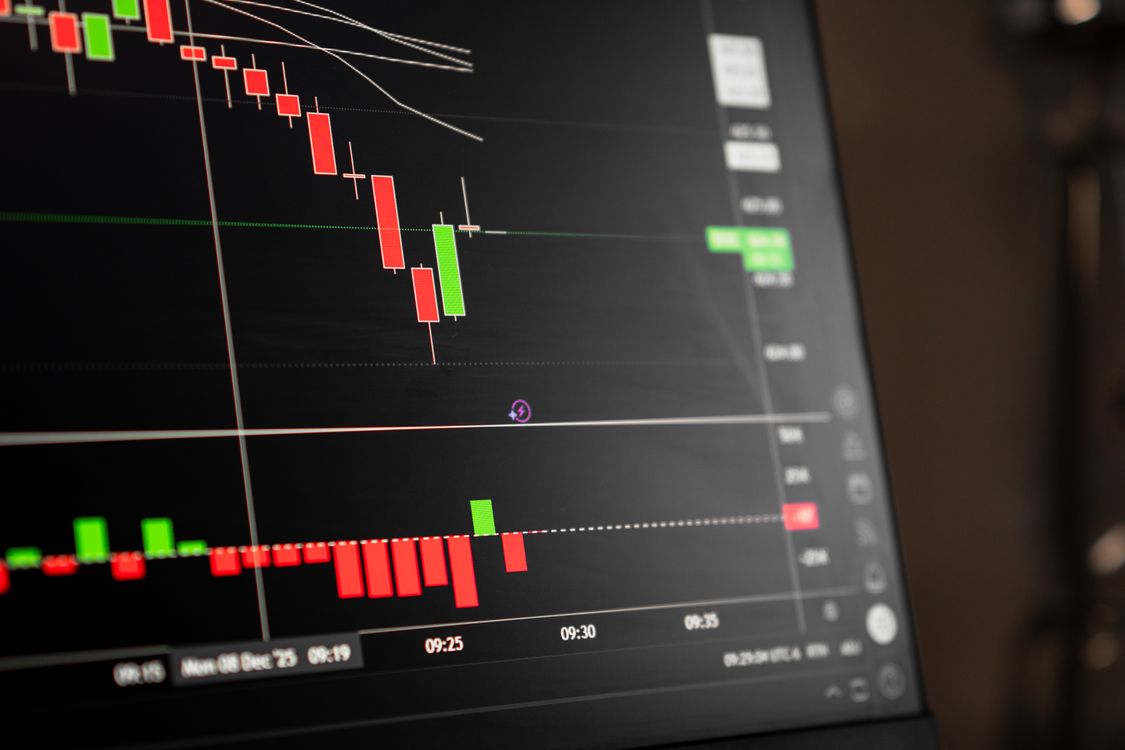
As Q2 2026 kicks off today, overnight swing traders are staring at one of the most important shifts in the current market regime: a dramatic contraction in the VIX. After spiking above 31 just days ago, the CBOE Volatility Index plunged over 17% to close at 25.25 on March 31. For traders who enter positions near the close and exit the following morning, this kind of volatility crush is not just a headline — it is a signal that demands a recalibration of strategy, sizing, and expectations heading into the new quarter.
What the VIX Drop From 31 to 25 Tells Overnight Gap Traders
The VIX does not move in straight lines — it mean-reverts. When implied volatility spikes sharply, as it did in the final week of March amid tariff uncertainty and quarter-end rebalancing flows, the subsequent compression often follows quickly. That is exactly what happened heading into April. The VIX’s retreat from 31 to 25 represents a meaningful reduction in the options market’s expectation of near-term price swings.
For overnight gap traders, this matters on multiple levels. When the VIX is elevated above 30, overnight gaps in SPY tend to be wider and more erratic. The probability of large gap-ups or gap-downs increases, but so does the noise. Traders operating in that environment need wider stops and must accept greater uncertainty about gap direction. As the VIX contracts back toward the mid-20s, overnight gaps tend to narrow and become more orderly — which can actually favor disciplined swing traders who rely on structured setups and repeatable edge.
Why Q2 Seasonality Adds Fuel to the Overnight Setup
The start of Q2 historically brings a shift in institutional capital flows. After the massive quarter-end rebalancing that marked the final days of March — where pension funds, mutual funds, and systematic strategies adjusted trillions in allocations — April typically sees fresh inflows as new quarterly allocations deploy. This is not a guarantee of direction, but it does tend to create more sustained overnight moves as large orders execute in the after-hours and pre-market sessions.
With SPY trading near 641 and the S&P 500 still digesting a complex macro environment of elevated tariffs, a patient Federal Reserve, and approaching earnings season, the conditions are ripe for overnight gaps that carry follow-through rather than immediately reversing. Historical data shows that SPY gaps fill approximately 60% of the time over a six-month lookback period, but that fill rate shifts meaningfully depending on the volatility regime. When the VIX is contracting from a spike — exactly the current setup — gap fills tend to occur more slowly, giving overnight traders more runway to capture the initial move.
The Tariff Backdrop: Still Elevated, but Priced Differently Now
One of the defining features of 2026’s market has been the persistent tariff overhang. The average effective U.S. tariff rate climbed to approximately 10.3% through January 2026, a dramatic increase from 2.2% at the start of 2025. This structural shift has not gone away — but the market’s reaction to tariff headlines has evolved. Where earlier tariff announcements triggered sharp overnight selloffs and erratic gap behavior, the market now prices tariff risk through company fundamentals and sector rotation rather than broad panic.
For overnight gap traders, this evolution is critical. Tariff-driven gaps in early 2026 were often wide and chaotic, filling unpredictably. As the market has digested this new tariff regime, overnight price action has become more structured around earnings expectations, sector-specific exposure to imported inputs, and margin compression signals. Traders who track pressure readings and options flow near the close can now identify which sectors are most vulnerable to overnight repricing — and which are likely to see supportive gap-ups as capital rotates.
How to Adjust Your Overnight Strategy for a Contracting VIX
The shift from a VIX above 30 to the mid-20s requires specific tactical adjustments for overnight swing traders. Here is what disciplined traders should consider as Q2 begins.
First, position sizing can tighten. When the VIX is elevated, prudent traders reduce size to account for wider potential gaps. As volatility contracts, the expected overnight range narrows, which allows for slightly larger positions relative to account size — though risk management should always remain the priority.
Second, gap direction signals become more reliable. In a high-VIX environment, even strong pressure readings can be overridden by after-hours news or geopolitical shocks. As implied volatility settles, the close-to-open price action tends to align more closely with the pressure signals measured at the end of the regular session. This is where tools like SpyTomorrow.com’s proprietary pressure readings become particularly valuable — they are designed to capture the options-derived sentiment near the close that often foreshadows overnight direction.
Third, watch the VIX term structure. When front-month VIX futures trade at a significant premium to the spot VIX (backwardation), it signals that the market expects more volatility ahead. When the curve normalizes into contango — with future months priced above spot — it suggests the volatility spike is fading. This term structure shift is a powerful confirmation tool for overnight traders assessing whether the current calm is likely to persist or whether another spike is lurking.
The Fed Factor: Patience Creates Predictability
The Federal Reserve’s decision to hold the federal funds rate steady at 3.5%\u20133.75% for the second consecutive meeting in March removes one major source of overnight uncertainty. With policymakers signaling just one rate cut expected for 2026, the market is not bracing for sudden monetary policy surprises. For overnight gap traders, a patient Fed means fewer rate-driven gaps and more emphasis on earnings, economic data releases, and sector-specific catalysts as the primary drivers of overnight price action.
The April economic calendar will be the next major test. Jobs data, inflation prints, and the beginning of Q1 2026 earnings season — with bank earnings expected the week of April 13 — will each create discrete overnight gap opportunities. Traders who prepare ahead of these catalysts, understand the pressure dynamics going into each close, and size their positions appropriately for the current volatility regime will be best positioned to capitalize.
The Bottom Line for April’s Overnight Traders
The volatility contraction from 31 to 25 on the VIX is not the end of the story — it is the beginning of a new chapter. Q2 2026 opens with a market that has absorbed tariff shocks, processed quarter-end rebalancing, and settled into a more orderly overnight pattern. For traders who specialize in the close-to-open window, this is precisely the environment where disciplined preparation and structured decision tools shine. The gaps may be narrower than they were a week ago, but for traders with a process, they can be more tradeable.
SpyTomorrow.com’s pressure readings and overnight analysis tools are built exactly for moments like this — when the market transitions between volatility regimes and the overnight gap becomes a higher-probability setup. Preparation, not prediction, is what separates consistent traders from the rest.
This article is for educational and informational purposes only. It does not constitute financial advice, investment recommendations, or a solicitation to buy or sell any securities. Past performance and historical data do not guarantee future results. All trading involves risk, including the potential loss of principal. Always do your own research and consult with a qualified financial advisor before making trading decisions.
